
Your bedroom is supposed to be the most peaceful room in your home. It is where you retreat after a long day, close the door, and expect to feel comfortable and safe.
But there is one place in that room that many people rarely examine: the space beneath their bed.
It may look completely ordinary. Perhaps there are a few storage boxes, an old pair of shoes, or a thin layer of dust. Nothing seems particularly interesting.
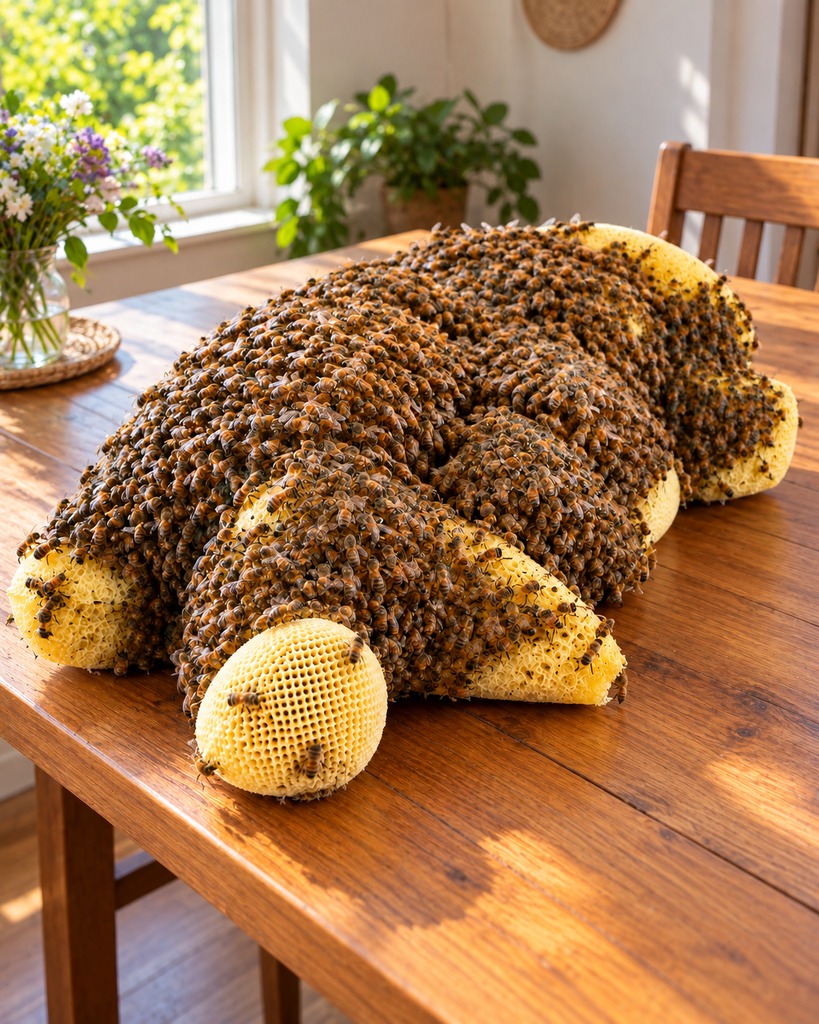
Yet dark, undisturbed spaces can attract unexpected visitors.
Some are tiny insects that are almost impossible to notice. Others are spiders, household pests, or, occasionally, small animals that have found their way indoors.
The surprising part is that many of these creatures can remain unnoticed for weeks or even months.
Does that mean something dangerous is living beneath your mattress?
Not necessarily.
But understanding what might be hiding in overlooked corners of your bedroom can help you recognize genuine problems, avoid unnecessary panic, and keep your home more comfortable.
Why the Space Beneath Your Bed Is So Attractive
Most bedrooms provide several conditions that certain pests and small creatures find appealing.
They are relatively warm, protected from outdoor weather, and filled with furniture that creates sheltered spaces.
Under a bed, there is often very little disturbance.
Unless someone regularly moves furniture or cleans beneath it, dust and debris can accumulate.
Stored belongings provide additional hiding places.
Cardboard boxes, folded blankets, old clothing, and bags create narrow gaps where insects and spiders may shelter.
Some creatures are attracted by food crumbs or organic debris. Others are simply looking for darkness and protection.
Importantly, finding an insect or spider in a bedroom does not automatically mean the home is dirty.
Even well-maintained houses can occasionally attract pests.
The key is knowing which visitors are harmless, which indicate an underlying problem, and when professional assistance may be necessary.
1. Dust Mites: The Invisible Residents
One of the most common organisms associated with bedrooms is the house dust mite.
These microscopic relatives of spiders are too small to see clearly without magnification.
They thrive in environments containing shed human skin cells, which are a natural component of household dust.
Mattresses, pillows, upholstered furniture, and carpets can provide suitable conditions, particularly when indoor humidity is elevated.
Dust mites do not bite people or live on the human body.
However, proteins in their waste particles and body fragments can trigger allergic reactions in susceptible individuals.
Symptoms may include sneezing, nasal congestion, itchy eyes, and worsening asthma symptoms.
Because dust mites are microscopic, checking under the bed with a flashlight will not reveal them directly.
Instead, prevention focuses on reducing allergens.
Washing bedding regularly, using suitable allergen-resistant mattress and pillow covers, and maintaining moderate indoor humidity can help.
Vacuuming with an appropriate filter may also reduce accumulated dust.
The goal is not to create a completely sterile bedroom, which is unrealistic, but to limit exposure where allergies are a concern.
2. Bed Bugs: Small Insects That Can Be Difficult to Detect
Few household pests cause as much anxiety as bed bugs.
These small, flattened insects feed on blood and usually hide close to places where people rest.
Despite their name, they do not live exclusively in beds.
They may shelter in mattress seams, bed frames, headboards, cracks in furniture, and nearby objects.
In some infestations, they can also be found around the base of a bed or in items stored underneath it.
Bed bugs are not attracted by dirt.
They can enter clean homes through luggage, secondhand furniture, clothing, or other belongings.
One reason infestations can go unnoticed is that bed bugs are skilled at hiding.
They often remain concealed during the day and emerge when a host is available.
Possible warning signs include small dark fecal spots, shed insect skins, live insects, and occasionally blood marks on bedding.
Bites may occur, but skin reactions vary considerably.
Some people develop itchy welts, while others show little or no visible reaction.
Bite marks alone cannot reliably confirm bed bugs.
If an infestation is suspected, a careful inspection and professional identification are more useful than relying on photographs of skin irritation.
3. Spiders: Visitors That Usually Want to Avoid You
Discovering a spider beneath the bed can be startling, especially when it moves suddenly.
But most household spiders are not interested in approaching humans.
They generally seek shelter and prey.
Dark corners, furniture gaps, and areas where small insects gather can provide suitable hunting grounds.
Spiders may be found beneath beds simply because these spaces are quiet and rarely disturbed.
Their presence does not necessarily indicate an infestation.
In fact, many common house spiders help control populations of other insects.
However, spider species vary by region, and some medically significant species require greater caution.
If you encounter an unfamiliar spider, avoid handling it with bare hands.
Where practical, it can be photographed from a safe distance for identification.
For harmless spiders, gentle relocation may be appropriate.
If a dangerous species is suspected or spiders are appearing repeatedly in large numbers, local pest-control guidance may be useful.
The important point is that seeing one spider does not mean your bedroom is unsafe.
4. Carpet Beetles: Tiny Insects With a Hidden Appetite
Carpet beetles are another household pest that can appear in bedrooms.
Adult beetles are often small and may be noticed near windows.
Their larvae, however, are more likely to cause problems inside the home.
Depending on the species, larvae may feed on natural fibers and materials containing animal-derived substances.
Wool, fur, feathers, and certain stored textiles can be vulnerable.
Under a bed, forgotten clothing, blankets, and dust containing hair or fibers may provide suitable conditions.
Carpet beetle larvae can also leave behind shed skins.
Their bristles may irritate the skin of some people, sometimes leading to confusion with insect bites.
Unlike bed bugs, carpet beetles do not feed on human blood.
Signs worth investigating include damaged natural-fiber fabrics, small larvae, and shed larval skins.
Regular vacuuming, inspecting stored textiles, and keeping vulnerable fabrics in suitable containers can help reduce problems.
5. Silverfish: The Creatures That Prefer Darkness
Silverfish are small, wingless insects with elongated bodies and quick movements.
They are often associated with bathrooms, basements, and other humid areas.
However, they can also appear in bedrooms, particularly where moisture and suitable food sources are present.
Silverfish feed on various materials containing starches and other substances.
Paper, book bindings, certain adhesives, and some textiles may attract them.
A stack of old magazines or cardboard boxes beneath a bed can provide hiding places and potential food sources.
Silverfish generally avoid light, which explains why people may not notice them until moving stored belongings.
They are not known for biting humans, but larger populations can damage household materials.
Reducing excess moisture, removing unnecessary paper clutter, and sealing gaps can make an indoor environment less favorable to them.
6. Cockroaches: A Sign Worth Investigating
Cockroaches are particularly unwelcome bedroom visitors.
Although many species prefer kitchens, bathrooms, and areas near food or water, they can travel throughout a building.
Some may hide in furniture gaps, behind baseboards, or beneath beds.
A single cockroach does not always indicate an established infestation.
However, repeated sightings, especially of young cockroaches, should be taken seriously.
Possible signs include droppings, shed skins, egg cases, and a persistent unpleasant odor in heavy infestations.
Cockroaches can contaminate surfaces and contribute to indoor allergen exposure.
Their presence may also point to access routes, moisture problems, or food sources elsewhere in the building.
Effective control usually requires more than spraying a visible insect.
Identifying the species, removing food and water sources, sealing entry points, and using appropriate targeted treatments are often important.
For persistent infestations, professional pest management is advisable.
7. Mice: The Larger Visitors You Might Hear Before You See
Not every unexpected bedroom visitor has six or eight legs.
In some homes, mice may enter bedrooms while searching for shelter, nesting materials, or food.
They are especially capable of moving through small gaps and concealed spaces.
A cluttered area beneath a bed may provide temporary cover.
Signs of rodent activity can include small droppings, gnaw marks, damaged packaging, and scratching noises.
You might also notice shredded paper or fabric used as nesting material.
Rodents deserve prompt attention because they can contaminate surfaces and damage household materials.
If you discover signs of mice, avoid sweeping or vacuuming dry droppings, which can disturb potentially contaminated particles.
Follow appropriate public-health cleaning guidance, including safe disinfection procedures.
It is also important to identify and seal entry points.
Trapping or professional pest control may be needed, depending on the situation.
Why Clutter Makes the Problem Worse
A crowded space beneath the bed does not automatically create a pest problem.
However, clutter can make problems more difficult to detect and control.
Imagine storing several cardboard boxes beneath your bed.
Inside them are old clothes, papers, and unused household items.
Over time, dust collects around the boxes.
The contents are rarely inspected.
If insects enter the area, they may find shelter among the belongings.
If a mouse gains access to the room, the boxes can provide hiding places.
Clutter also makes vacuuming and visual inspection more difficult.
This is why reducing unnecessary storage can be helpful.
If under-bed storage is essential, sturdy containers with well-fitting lids are generally easier to maintain than open cardboard boxes.
Stored textiles should be clean and dry.
Items should also be inspected periodically.
The aim is not to eliminate every possession but to prevent forgotten belongings from becoming permanent hiding places.
How to Inspect Under Your Bed Safely
A basic inspection does not require specialized equipment.
A flashlight, a pair of gloves, and a little patience are often sufficient.
Begin by removing loose items from the floor.
Check the corners, baseboards, and areas where the bed frame meets the wall.
Look for insects, shed skins, droppings, damaged materials, or unusual accumulations of debris.
Examine storage boxes before moving them elsewhere in the house.
If you suspect bed bugs, pay particular attention to mattress seams, bed-frame joints, and the headboard rather than focusing only on the floor.
Avoid placing your hands into dark spaces where you cannot see what is present.
If you encounter a rodent, a potentially dangerous spider, or signs of a substantial infestation, do not attempt risky handling.
A professional inspection may be safer and more effective.
One important precaution: do not mix cleaning chemicals or apply insecticides indiscriminately around sleeping areas.
Pesticide products should be used only as directed on their labels, with particular care around children and pets.
The Warning Signs People Commonly Miss
Not all pest problems announce themselves through visible insects.
Sometimes the first indication is damage to household items.
Small holes in natural-fiber clothing may suggest fabric-feeding pests.
Dark spotting around mattress seams may justify checking for bed bugs.
Scratching sounds in walls or beneath furniture may point toward rodents.
Unexplained debris or shed insect skins can also provide clues.
However, none of these signs should be interpreted in isolation.
A hole in a sweater might result from ordinary wear.
A dark mark on a mattress could have several causes.
A scratching sound might come from building materials expanding or contracting.
Identifying the source matters more than assuming the most alarming explanation.
Taking clear photographs of suspicious evidence can help a qualified professional make an assessment.
Does a Clean Bedroom Guarantee Protection?
Unfortunately, no.
Cleanliness is helpful, but it cannot prevent every household pest.
Bed bugs, for example, can be transported into a home regardless of housekeeping standards.
Spiders may enter through small openings.
Rodents can exploit structural gaps.
Dust mites can be present in otherwise well-maintained homes.
Still, regular cleaning makes it easier to notice changes.
Vacuuming beneath furniture removes dust and debris.
Washing bedding helps maintain hygiene and can reduce certain allergens.
Reducing excess indoor humidity can discourage moisture-loving organisms.
Repairing damaged screens and sealing suitable gaps may limit pest entry.
These habits are practical because they address environmental conditions rather than relying on fear.
What Not to Do When You Discover Something Unusual
Finding an unfamiliar insect can trigger an immediate reaction.
Some people reach for the strongest insecticide available.
Others throw away mattresses or furniture before confirming the problem.
Both responses can be unnecessary.
Different pests require different management strategies.
A treatment that works for one species may be ineffective against another.
Misidentification can lead to wasted money, avoidable chemical exposure, and continued infestation.
For example, discarding a mattress without addressing a bed bug infestation elsewhere in the room may fail to solve the problem.
Similarly, spraying a visible cockroach without addressing hidden populations and access to food and water may produce only temporary results.
A better first step is to identify the organism accurately.
Then choose a response appropriate to the actual risk.
The Difference Between Discomfort and Danger
It is natural to feel uneasy about creatures living near the place where you sleep.
But not every household visitor represents a serious health threat.
A single common house spider is usually a very different situation from an established rodent infestation.
Dust mites can be important for people with allergies, but they are not biting insects.
Carpet beetles may damage textiles without feeding on people.
Bed bugs can cause significant discomfort and distress, but they are not known to transmit diseases to humans under ordinary conditions.
Understanding these distinctions helps prevent unnecessary fear.
It also directs attention toward problems that genuinely require action.
The presence of a pest should lead to an informed response, not automatic panic.
A Simple Routine That Can Make a Difference
Many people clean the visible parts of their bedrooms regularly but overlook the areas beneath large furniture.
Adding those spaces to an occasional cleaning routine can make a meaningful difference.
Move lightweight stored items and inspect them.
Vacuum accessible floor areas and baseboards.
Check for moisture or signs of damage.
Keep clothing and bedding stored in clean, dry conditions.
If you notice repeated insect activity, investigate rather than waiting for the problem to disappear.
You do not need to dismantle your bed every week.
The goal is simply to ensure that hidden areas do not remain completely forgotten for months or years.
A few minutes of attention can reveal problems while they are still manageable.
The Unexpected Truth About Hidden Bedroom Visitors
The most surprising thing about creatures that shelter beneath beds is not that they exist.
Homes are part of the natural environment, and occasional contact with insects or other small animals is unavoidable.
What matters is the difference between a temporary visitor and an established problem.
One spider beneath a bed may require no more than careful relocation.
A few dust mites are not evidence of poor hygiene.
But repeated sightings of bed bugs, cockroaches, or rodent droppings call for more focused investigation.
The key is to observe, identify, and respond appropriately.
Fear often grows when we do not understand what we are seeing.
Knowledge makes the situation easier to manage.
When Did You Last Look Beneath Your Bed?
Think about the space beneath your bed right now.
Is it empty?
Are there storage boxes you haven’t opened in years?
Could dust, forgotten clothing, or other belongings be hiding signs of unwanted visitors?
There is no reason to assume something frightening is waiting there.
Most bedrooms do not conceal dramatic surprises.
But the areas we rarely inspect can tell us useful things about the condition of our homes.
A flashlight and a careful look may reveal nothing more than dust and a missing sock.
Or they may help you notice a minor pest problem before it becomes more difficult to manage.
Either outcome is valuable.
A comfortable bedroom is not one in which every insect has been eliminated.
It is one that is maintained thoughtfully, inspected when necessary, and kept as safe and healthy as reasonably possible.
So the next time you clean your bedroom, don’t stop at the visible floor.
Take a look beneath the bed.
Not because you should be afraid of what might be there, but because understanding your home is one of the simplest ways to take better care of it.